
Porcelain vs. Composite Veneers in Mogadore, OH
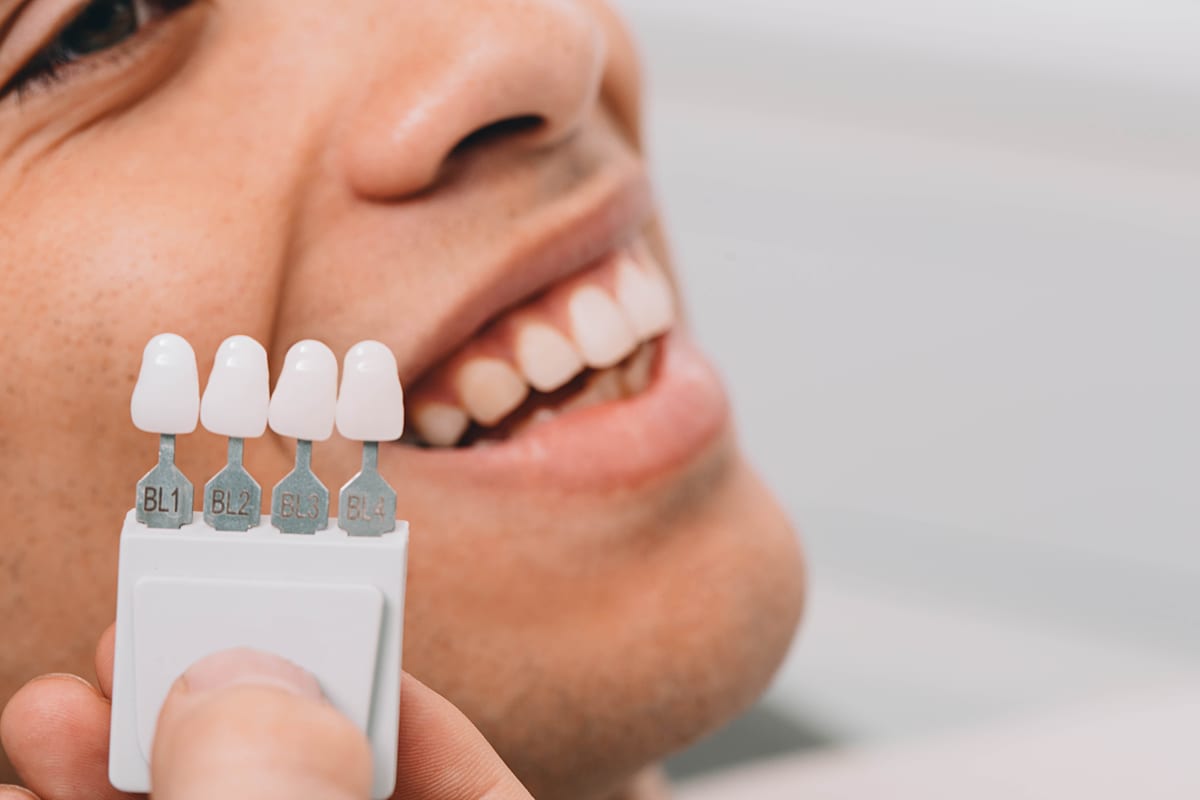
If you live in Sawyerwood and are considering veneers, you’ve likely asked one key question. Should you choose porcelain or composite? Understanding the difference between porcelain vs. composite veneers — which lasts longer and costs less in Sawyerwood — can help you make the best decision for your smile. At Dennis Dental Care of Mogadore, Dr. Robert L. Dennis guides patients through this exact choice every day. This article breaks down both options clearly and honestly.
What Are Porcelain and Composite Veneers?
Veneers are thin shells bonded to the front surface of your teeth. They correct chips, stains, gaps, and uneven shapes. Both types achieve similar cosmetic goals, but they differ significantly in material and process.
Porcelain veneers are custom-crafted in a dental lab. They are made from high-quality ceramic material. Your dentist removes a small amount of enamel before placing them permanently.
Composite resin veneers are applied directly to your teeth in a single visit. Your dentist sculpts the resin material by hand. No lab work is needed, and less enamel removal is typically required.
Both options are popular among patients seeking Family Dentistry services that go beyond basic care. Understanding each material helps you decide which fits your lifestyle and budget.
Comparing Aesthetics: Which Looks More Natural?
Appearance matters most to many veneer patients. Porcelain closely mimics the light-reflecting properties of natural enamel. It resists staining better than composite resin over time.
Composite resin has improved dramatically in recent years. Skilled dentists can achieve very natural-looking results with modern composite materials. However, composite tends to discolor more easily with coffee, tea, and wine.
Porcelain remains the gold standard for aesthetics. It offers translucency that composite simply cannot fully replicate. For patients seeking the most lifelike smile, porcelain typically wins this comparison.
- Porcelain reflects light similarly to real tooth enamel
- Composite resin can look natural when applied by an experienced dentist
- Porcelain resists staining far better over the long term
- Composite may require polishing to maintain its appearance
Durability and Longevity: Which Option Lasts Longer?
Longevity is one of the most important factors for Sawyerwood patients comparing these two options. Porcelain veneers typically last 10 to 20 years with proper care. Composite veneers usually last 5 to 7 years before needing replacement or repair.
Porcelain is a hard, ceramic material that holds up well under daily use. It does not chip as easily as composite in many cases. However, if porcelain does crack, it usually requires full replacement.
Composite resin is more prone to chipping and wear over time. On the positive side, composite is much easier to repair. A dentist can often fix composite damage quickly in a single appointment.
Maintaining good oral hygiene extends the life of either veneer type. Regular Cleaning And Prevention visits help preserve your investment and keep veneers looking their best for years.
- Porcelain veneers: 10–20 year lifespan on average
- Composite veneers: 5–7 year lifespan on average
- Porcelain is harder but harder to repair if damaged
- Composite chips more easily but repairs quickly and affordably
- Both benefit from regular professional cleanings
Cost Differences: Which Is More Affordable in Sawyerwood?
Cost is a major consideration for most patients weighing porcelain vs. composite veneers. Composite veneers are generally less expensive upfront. The cost difference can be significant, especially for multiple teeth.
Porcelain veneers cost more because of the lab fabrication process. Each porcelain shell is custom-made for your specific tooth shape and color. This precision adds both time and expense to the overall treatment.
Composite veneers are completed in one visit, which reduces chair time and cost. However, because they require more frequent replacement, long-term costs can add up. A patient who replaces composite veneers twice may spend more than they would on porcelain.
It is worth thinking about total lifetime cost, not just the initial price. Dr. Dennis helps Sawyerwood patients evaluate which option delivers the best long-term value for their specific goals and dental health.
The Procedure: What to Expect With Each Option
The treatment process differs noticeably between porcelain and composite veneers. Knowing what to expect helps reduce anxiety and plan your schedule accordingly.
For porcelain veneers: Your first appointment involves a consultation and tooth preparation. Dr. Dennis removes a thin layer of enamel and takes impressions. Temporary veneers protect your teeth while the lab creates the permanent ones. You return in about two weeks for permanent placement.
For composite veneers: The entire process happens in a single appointment. Dr. Dennis applies resin directly to the tooth surface and shapes it by hand. A special curing light hardens the material in place. The result is immediate, with no waiting period.
Porcelain requires more appointments but delivers a highly precise and durable result. Composite offers a faster, more affordable path with solid cosmetic outcomes. Both procedures are minimally invasive when performed by an experienced general dentist.
Which Veneer Is Right for You in Sawyerwood?
Choosing between porcelain and composite veneers depends on your priorities. If aesthetics and longevity top your list, porcelain is the stronger choice. If affordability and convenience matter most, composite is worth serious consideration.
Patients with active lifestyles, teeth-grinding habits, or significant staining concerns may benefit more from porcelain. Those looking for a quick cosmetic refresh may find composite perfectly adequate. Your dentist will evaluate your bite, enamel health, and goals before making a recommendation.
Dr. Robert L. Dennis and the team at Dennis Dental Care of Mogadore take time to understand each patient’s unique situation. There is no one-size-fits-all answer when it comes to veneers. The right choice is the one that fits your smile, your life, and your long-term dental health.
Ready to explore your options and get a personalized recommendation? Book Now to schedule your appointment with our team.
Frequently Asked Questions
How do I know if I’m a good candidate for veneers?
Good candidates have healthy teeth and gums with no active decay or gum disease. Your dentist will evaluate your bite and enamel thickness before recommending veneers. Patients who grind their teeth may need additional treatment before proceeding.
Can composite veneers be upgraded to porcelain later?
Yes, composite veneers can be removed and replaced with porcelain veneers in most cases. Because composite involves minimal enamel removal, this transition is usually straightforward. Your dentist will assess your enamel condition before planning any upgrade.
Do veneers require special care or maintenance?
Veneers do not require dramatically different care from natural teeth. Brush twice daily, floss regularly, and visit your dentist for routine cleanings. Avoid biting hard objects like ice or fingernails, as these can damage both porcelain and composite veneers.
Will veneers look obviously fake or unnatural?
Modern veneers, both porcelain and composite, are designed to look very natural. A skilled dentist matches the shade and shape to complement your existing teeth. Most people will not be able to tell you have veneers at all.
How long does the composite veneer procedure take?
Composite veneer placement is typically completed in a single appointment lasting one to two hours. The dentist applies, shapes, and cures the resin directly on your tooth. You leave the office with a finished smile the same day.