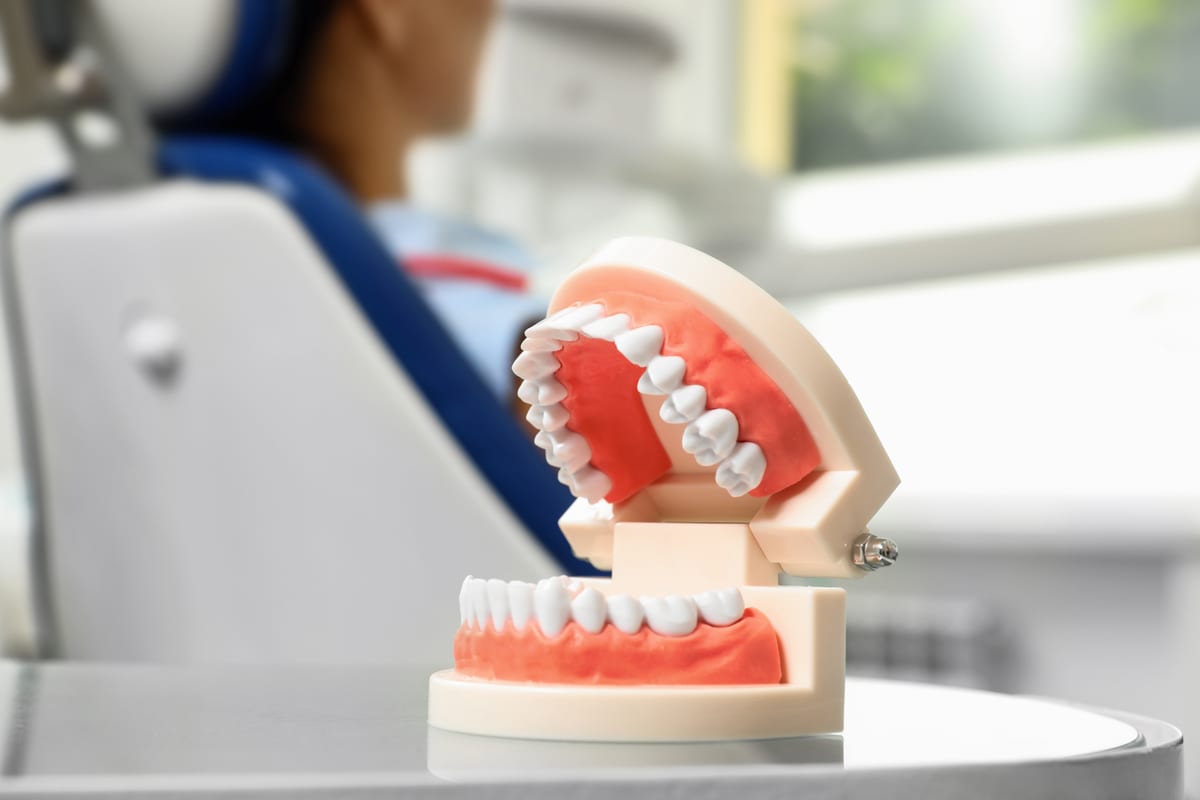
Why Your Child’s Baby Teeth Are Worth Protecting Now
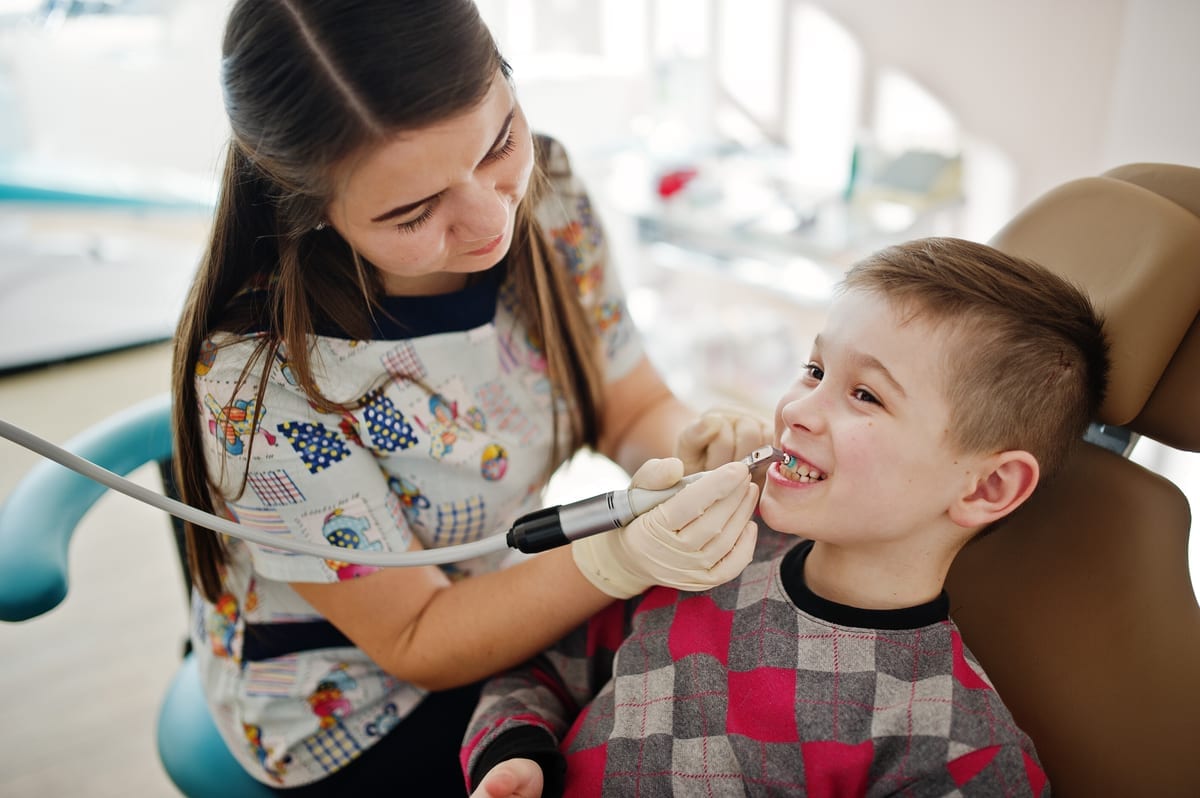
Many parents in Lakemore, OH assume baby teeth are temporary and therefore unimportant. After all, they fall out eventually — so why worry? The truth is, why your child’s baby teeth are worth protecting now in Lakemore comes down to far more than appearance. Baby teeth play a critical role in your child’s growth, development, and long-term oral health. Understanding that role early can save your child from serious problems down the road.
At Dennis Dental Care of Mogadore, Dr. Robert L. Dennis and our team are passionate about educating families on early dental care. We offer Family Dentistry Lakemore services designed to support every stage of your child’s smile. From their very first tooth to their teenage years, we are here to guide your family every step of the way.
Baby Teeth Are More Than Placeholders in Lakemore Smiles
It is easy to think of baby teeth as temporary space-fillers. In reality, they serve several vital functions that directly affect your child’s health. Baby teeth help children chew food properly, supporting good nutrition from an early age. They also guide the jaw’s development and muscle formation.
Perhaps most importantly, baby teeth hold space for incoming permanent teeth. When a baby tooth is lost too early due to decay or injury, the neighboring teeth can shift. This crowding often leads to misalignment that requires costly orthodontic treatment later. Protecting baby teeth now means protecting the entire structure of your child’s future smile.
Speech development is another critical area baby teeth support. Teeth are essential for forming sounds like “th,” “f,” and “v.” Children who lose front teeth prematurely may develop speech delays or habits that are difficult to correct. Early dental care helps preserve these important developmental milestones.
Why Tooth Decay in Young Children Should Never Be Ignored
Tooth decay is the most common chronic childhood disease in the United States. Many parents do not realize it can begin as soon as the first tooth appears. Early childhood cavities — sometimes called baby bottle tooth decay — spread quickly in young mouths. Left untreated, decay causes pain, infection, and premature tooth loss.
When a child loses a baby tooth too early, a space maintainer may be needed to hold the gap open. Without one, permanent teeth erupt in the wrong positions. This creates alignment problems that affect chewing, speech, and confidence. Prevention is always the better path.
Signs of early decay include:
- White or brown spots on teeth near the gum line
- Visible holes or pits in the enamel
- Sensitivity or pain when eating sweet or cold foods
- Swelling or redness around the gums
- Bad breath that does not improve with brushing
If you notice any of these signs in your child, schedule an appointment right away. Early intervention makes treatment much simpler and less stressful for your child.
How Pediatric Dental Visits Build a Foundation for Lifelong Health
The American Academy of Pediatric Dentistry recommends a child’s first dental visit by age one. Starting early helps children feel comfortable in a dental office environment. It also allows Dr. Dennis to monitor development and catch any concerns before they worsen. Familiarity with dental care reduces anxiety and builds lifelong healthy habits.
Routine Cleaning And Prevention Lakemore appointments are the cornerstone of protecting baby teeth. Professional cleanings remove plaque and tartar that home brushing cannot reach. Our team also applies fluoride treatments and dental sealants to protect vulnerable surfaces. These simple preventive steps dramatically reduce the risk of cavities.
At each visit, we also provide personalized guidance for parents. We cover proper brushing techniques for different ages, the right toothpaste amounts, and dietary tips that protect enamel. Empowering parents with knowledge is just as important as treating the child. Healthy habits formed at home support everything we do in the office.
Benefits of regular pediatric dental visits include:
- Early detection of decay, bite problems, and developmental concerns
- Professional fluoride treatments that strengthen enamel
- Custom brushing and flossing guidance for each age group
- A comfortable, familiar dental experience that reduces future anxiety
- Monitoring of permanent tooth eruption patterns and jaw growth
Self-Confidence and Social Development Start With a Healthy Smile
A child’s smile affects more than their oral health — it shapes how they feel about themselves. Children with healthy teeth smile freely, laugh without hesitation, and engage confidently with peers. When tooth pain or visible decay is present, children often become withdrawn. They may avoid smiling, eating at school, or participating in activities they enjoy.
Early tooth loss due to untreated decay can also draw unwanted attention from other children. Kids notice differences, and the social impact of a missing or damaged smile at a young age can be significant. Protecting your child’s baby teeth protects their self-esteem during a formative period of development. That emotional benefit is just as real as the physical one.
Parents in Lakemore often tell us their child’s confidence visibly improves after dental treatment. When pain is relieved and smiles are restored, children engage more openly in school and social settings. Starting early with preventive care means fewer problems reaching that critical point. A healthy smile is a gift that keeps giving throughout childhood and beyond.
What You Can Do at Home to Protect Baby Teeth
Professional care is essential, but daily home habits make the biggest difference. Start cleaning your baby’s gums with a soft cloth even before the first tooth appears. Once teeth erupt, use a soft-bristled brush with a tiny smear of fluoride toothpaste. Supervise brushing until your child is at least seven or eight years old.
Diet plays a huge role in baby tooth health. Limit sugary snacks and drinks, especially juice and soda. Avoid putting your child to bed with a bottle of milk or juice — this is a leading cause of early childhood decay. Water is always the best drink for teeth between meals.
Other helpful home habits include:
- Flossing between teeth as soon as two teeth touch
- Replacing your child’s toothbrush every three months
- Avoiding sharing utensils, which can transfer cavity-causing bacteria
- Using a mouthguard during contact sports to prevent tooth injury
Consistent home care combined with regular dental visits gives your child the strongest foundation possible. Small daily actions compound into lasting protection over time.
Bringing It All Together: Early Care for Lifelong Smiles
Baby teeth matter in ways most parents never expect. They support speech, guide jaw development, protect space for permanent teeth, and build the confidence children carry into adulthood. Protecting them is not about vanity — it is about your child’s overall health and wellbeing. Starting preventive care early in Lakemore makes a measurable difference in lifelong outcomes.
Dr. Robert L. Dennis and the entire team at Dennis Dental Care of Mogadore are dedicated to making pediatric dental care comfortable and effective. We understand that a child’s early experiences in the dental chair shape their attitude toward oral health for life. Our goal is to make every visit a positive one — for your child and for you. Book Now to schedule your appointment with our team.
Frequently Asked Questions
When should my child have their first dental visit?
The American Academy of Pediatric Dentistry recommends the first visit by age one or within six months of the first tooth appearing. Starting early helps establish a comfortable routine and allows Dr. Dennis to monitor your child’s development from the very beginning.
Do cavities in baby teeth really need treatment if they will fall out anyway?
Yes, absolutely. Untreated cavities in baby teeth can cause pain, infection, and premature tooth loss. Losing baby teeth too early disrupts the spacing of permanent teeth and can lead to significant alignment problems. Treatment protects your child’s health and development now and in the future.
How can I make brushing easier for my toddler?
Try making brushing a fun routine by using a song, a timer, or a favorite character toothbrush. Brush alongside your child so they see it as a normal daily habit. Use only a rice-sized amount of fluoride toothpaste for children under three, and a pea-sized amount for older children.
At what age should my child start flossing?
You should begin flossing your child’s teeth as soon as two teeth touch and cannot be cleaned by brushing alone. Most children need a parent’s help with flossing until around age ten. Floss picks designed for kids can make this task much easier for both parent and child.
Are dental X-rays safe for young children?
Yes, dental X-rays for children are very safe. We use digital X-rays that emit a minimal amount of radiation — far less than traditional film X-rays. X-rays help Dr. Dennis detect decay between teeth, monitor developing permanent teeth, and identify any issues that are not visible during a clinical exam.