Are You Actually a Candidate for Dental Veneers?
Are you actually a candidate for dental veneers in Sawyerwood? That question deserves a real, honest answer — not just a sales pitch. Veneers can transform smiles beautifully, but they are not right for everyone. This self-screening guide from Dr. Robert L. Dennis helps you understand what truly qualifies a patient for this treatment.
Many Sawyerwood residents assume veneers are a universal fix for any smile concern. In reality, your tooth structure, gum health, bite, and daily habits all play a role. Knowing the candidacy requirements upfront saves you time and sets realistic expectations. Let’s walk through each factor together.
Understanding Veneer Candidacy in Sawyerwood: The Basics
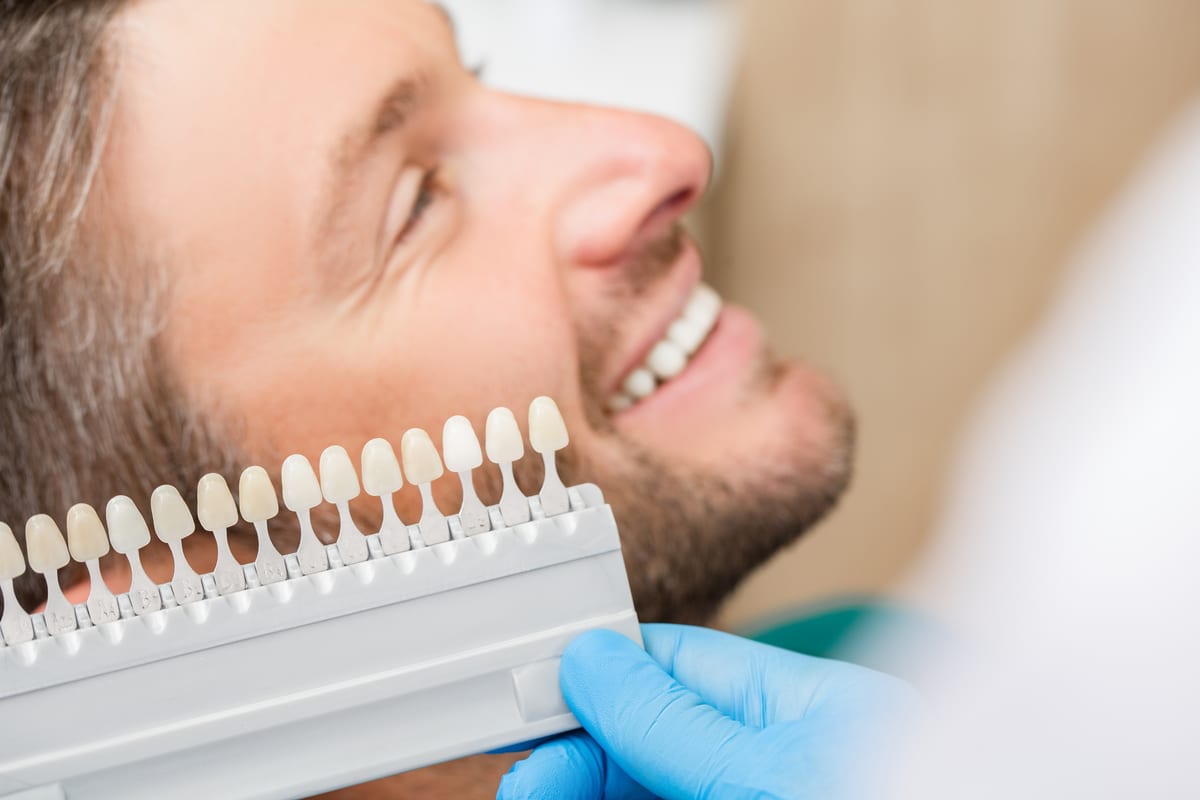
Dental veneers are thin porcelain or composite shells bonded to the front surface of teeth. They correct cosmetic issues like chips, stains, gaps, and mild misalignment. However, placement permanently removes a small layer of enamel. That means the decision requires careful thought and professional evaluation.
Not every cosmetic concern qualifies for veneers. Sometimes other treatments — like teeth whitening or Invisalign — deliver better results with less commitment. A good candidacy assessment looks at the whole picture. Dr. Dennis takes that comprehensive approach with every patient at Dennis Dental Care of Mogadore.
Good candidates generally share a few key traits. They have sufficient tooth enamel, healthy gums, a stable bite, and realistic expectations. They also avoid habits that could damage thin porcelain shells. Keep reading to screen yourself honestly across each of these categories.
Tooth Structure Requirements: Do You Have Enough Enamel?
Veneers bond directly to enamel. Without enough enamel, they simply cannot adhere properly or last long-term. Tooth grinding, acid erosion, or previous dental work can reduce enamel thickness significantly. Your dentist must confirm adequate enamel before moving forward.
Teeth with large existing fillings may not be ideal veneer candidates either. Heavily restored teeth sometimes need a dental crown instead. A crown covers the entire tooth and provides greater structural protection. Dr. Dennis will evaluate your restorations during your consultation.
Active tooth decay is an automatic disqualifier for veneers. Placing a veneer over a decayed tooth traps bacteria and worsens the problem. Any decay must be treated and resolved first. Only then can cosmetic work begin safely.
- Sufficient enamel thickness is essential for bonding
- Large fillings may indicate crowns are a better option
- Active decay must be treated before veneers are placed
- Cracked or severely broken teeth need structural repair first
Gum Health and Periodontal Considerations Before Veneers
Healthy gums are non-negotiable for veneer candidacy. Inflamed, bleeding, or receding gums affect how veneers fit and look. Periodontal disease also creates instability in the bone and tissue that support your teeth. Veneers placed on an unhealthy foundation will not hold up well.
If you have signs of gum disease, periodontal care must come first. Scaling, root planing, and consistent maintenance appointments restore gum health over time. Once your gums are stable, cosmetic treatment becomes a safe and lasting option. Our team provides Cleaning And Prevention Sawyerwood services to get your gums ready.
Gum recession can also affect veneer placement aesthetics. If gums have pulled back unevenly, veneers may look mismatched or unnatural. Addressing recession before veneers ensures a seamless, beautiful result. Your dentist will assess gum levels carefully during your exam.
- Gum disease must be fully treated before veneer placement
- Bleeding or swollen gums signal active infection
- Gum recession can affect the final appearance of veneers
- Ongoing periodontal maintenance supports long-term veneer success
Bite Considerations: How Your Jaw Affects Veneer Longevity
Your bite places constant pressure on your teeth every time you chew or speak. An uneven or misaligned bite can crack or chip porcelain veneers prematurely. Dentists call this an occlusal issue, and it matters enormously for veneer candidates. Ignoring bite problems leads to costly veneer failures.
Patients with a deep overbite or edge-to-edge bite need careful evaluation. In some cases, orthodontic treatment improves the bite before veneers are placed. Invisalign can align teeth and correct minor bite issues without traditional braces. Dr. Dennis will discuss whether bite correction belongs in your treatment plan.
Teeth grinding — known as bruxism — is one of the most common disqualifiers. Grinding exerts far more force than normal chewing. Even the strongest porcelain cannot withstand nightly grinding without protection. A custom night guard can help manage bruxism so veneers remain viable.
Habits and Lifestyle Factors That Affect Your Candidacy
Your daily habits matter just as much as your dental anatomy. Certain behaviors increase the risk of veneer damage significantly. Being honest about these habits helps you and your dentist make the right treatment choice. Veneers are an investment — protecting them starts before they are even placed.
Nail biting, chewing on pens, and opening packages with your teeth all chip porcelain easily. These habits must stop before and after veneer placement. Patients who commit to habit changes see much better long-term outcomes. Small lifestyle adjustments protect a major cosmetic investment.
Heavy coffee, tea, red wine, and tobacco use affect veneers differently than natural teeth. Porcelain resists staining better than enamel, but composite veneers can discolor. Patients who smoke face increased risks of gum disease, which undermines veneers over time. Discussing your lifestyle honestly helps Dr. Dennis choose the right material and approach.
Patients who already maintain excellent oral hygiene tend to be the best candidates. Regular brushing, flossing, and professional cleanings extend veneer lifespan dramatically. Our practice offers comprehensive Family Dentistry Sawyerwood services to keep your whole smile healthy year-round. A clean, healthy mouth is the best foundation for any cosmetic treatment.
What to Expect at Your Veneer Consultation at Dennis Dental Care
A veneer consultation is not just a sales meeting — it is a full clinical assessment. Dr. Robert L. Dennis examines your teeth, gums, bite, and x-rays before making any recommendation. He takes time to understand your smile goals and explain your realistic options. Sawyerwood patients consistently appreciate his thorough, no-pressure approach.
During the consultation, you will discuss which teeth you want to improve and why. Dr. Dennis will explain whether veneers, whitening, Invisalign, or a combination treatment serves you best. He will also review veneer material options and what the placement process involves. You leave with a clear plan and full understanding of next steps.
If you are not yet a veneer candidate, that is important information too. Addressing underlying issues first protects your oral health and your future investment. Many patients complete gum or bite treatment and return for veneers with excellent results. The goal is always your long-term health and confidence.
Conclusion: Is This the Right Time for Your Veneers?
Being an actual candidate for dental veneers in Sawyerwood depends on several interconnected factors. Your enamel, gum health, bite stability, and lifestyle habits all influence the outcome. Rushing into veneers without addressing these factors leads to disappointment and premature failure. A thorough evaluation with Dr. Dennis gives you the clarity you need.
Dennis Dental Care of Mogadore is proud to serve the Sawyerwood community with honest, patient-centered cosmetic care. Dr. Robert L. Dennis combines clinical expertise with a warm, educational approach. Whether you are ready for veneers today or need preparatory care first, the team is here to guide you. Book Now to schedule your appointment with our team.
Frequently Asked Questions
Can teenagers get dental veneers in Sawyerwood?
Teenagers can get veneers, but dentists generally recommend waiting until jaw development is complete. Most patients are better candidates in their late teens or early twenties. Dr. Dennis evaluates each young patient individually to determine the safest timeline.
How long do dental veneers typically last?
Porcelain veneers typically last 10 to 15 years with proper care. Composite veneers may need replacement sooner, around 5 to 7 years. Regular cleanings, avoiding hard foods, and wearing a night guard if needed all extend veneer lifespan significantly.
What happens if my gums are not healthy enough for veneers right now?
If your gums are not healthy, Dr. Dennis will recommend periodontal care before proceeding with veneers. Treating gum disease first creates a stable foundation for cosmetic work. Once your gum health is restored, veneers can be placed safely and with lasting results.
Are dental veneers reversible?
Veneers are considered an irreversible treatment because a small amount of enamel is removed during preparation. That enamel does not grow back, so the tooth will always need a restoration. This is why careful candidacy screening is so important before committing to the procedure.
Do I need to do anything special to maintain my veneers after placement?
Maintaining veneers requires consistent brushing with a non-abrasive toothpaste and daily flossing. Regular professional cleanings at Dennis Dental Care are also essential. Avoiding hard, crunchy foods and wearing a night guard if you grind your teeth will protect your veneers long-term.