
Signs Your Porcelain Crowns in Mogadore, OH May Need Replacement
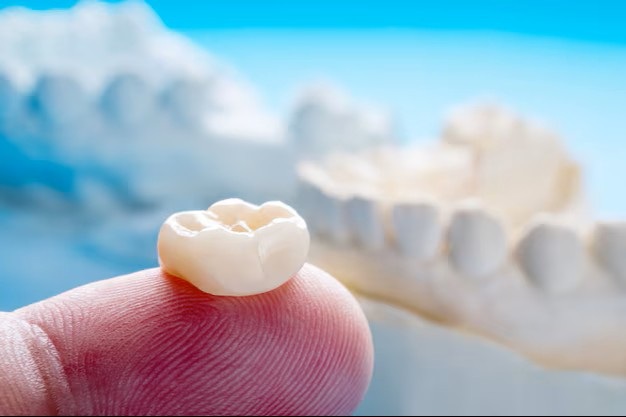
If you have had dental work done, you know that porcelain crowns are meant to protect damaged or weakened teeth while looking natural. These restorations can last many years, especially when cared for with regular brushing, flossing, and dental checkups. But crowns are not permanent forever. Over time, they can wear down, become damaged, or no longer fit properly. Knowing the early warning signs that a crown may need replacement helps you protect your tooth and avoid more serious problems later.
This guide explains the most common signs that a porcelain crown may need replacement. We keep the information clear and practical so you can read it quickly and know what to watch for. If you live in or near Mogadore, OH, and have porcelain crowns, this information can help you decide when it’s time to talk to your dentist about repair or replacement.
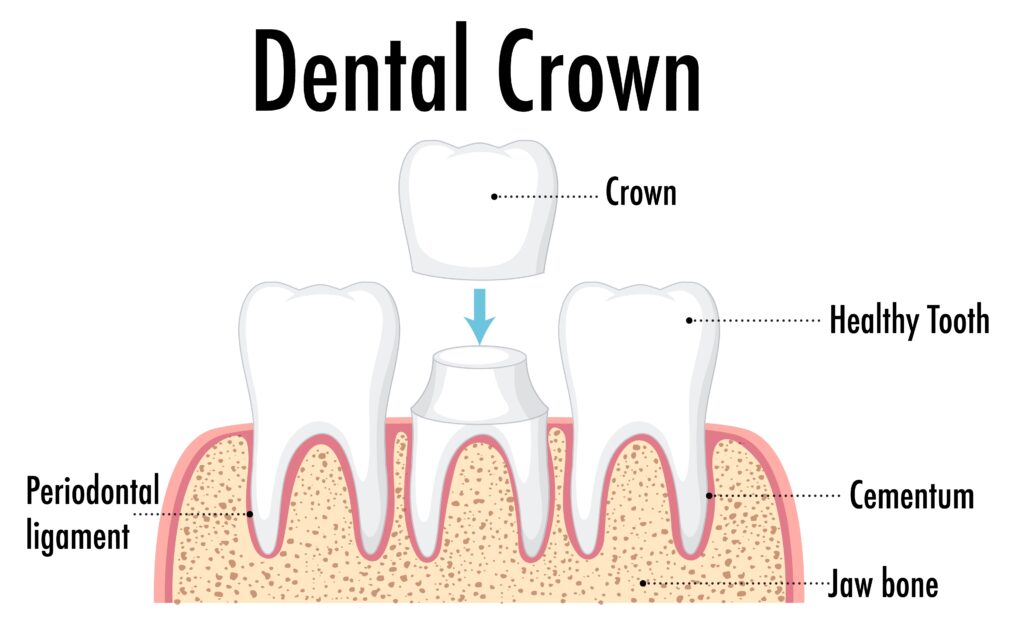
Early Wear and Visible Damage
One of the simplest things to notice is damage you can see or feel. Porcelain is strong, but it can chip or crack from everyday use, chewing hard foods, or grinding your teeth at night. Even a small crack can allow bacteria to enter and cause decay beneath the crown. A rough edge or sharp spot could also irritate your tongue or gums. If you notice any of these changes, it is wise to schedule a dental visit sooner rather than later. Visible damage to a crown is a common indication that it needs attention.
Persistent Pain or Sensitivity
Porcelain crowns in Mogadore, OH, should feel comfortable once it has settled after placement. If you begin to notice pain or sensitivity around a crowned tooth, do not ignore it. Sensitivity to hot, cold, or sweet foods may mean that the seal between your crown and your natural tooth is no longer tight. This can allow bacteria to reach the tooth underneath and cause decay. Pain when chewing or when applying pressure to the crown can also signal that something is wrong. These sensations suggest your crown may not be protecting your tooth as it should.
Gum Changes Around the Crown
Your gums should sit snugly around your crowned tooth. If you notice the gums pulling back, becoming red or swollen, or bleeding when brushing near the crown, these are changes worth checking. Receding gums can expose the edge of the crown, leaving the tooth beneath more vulnerable. When that margin becomes exposed, it can trap food particles and bacteria, which increases the risk of decay or infection. Make a dental appointment if you see these changes so your dentist can assess whether the crown still fits well.
A Loose or Wobbly Crown
A crown that feels loose is not something to ignore. Porcelain crowns in Mogadore, OH, are cemented to the tooth and should stay secure. If the cement weakens over time or the underlying tooth structure changes, the crown can loosen. A loose crown can allow bacteria into the space between the crown and the tooth, increasing the risk of decay or infection. If your crown moves even slightly when you bite or chew, call your dentist. A loose crown may sometimes be re-cemented, but in other cases a full replacement is necessary.
Decay Beneath the Crown
The porcelain itself does not decay, but the natural tooth underneath can still develop cavities. If the seal around your crown breaks down or bacteria get underneath, decay can begin. You might feel this as a dull ache or sharp pain when biting down. In some cases, decay may develop without immediate pain, which is why regular dental exams are essential. Your dentist can use X-rays and visual examination to check for hidden decay and recommend treatment or replacement if needed.
Changes in Your Bite or Jaw Comfort
Over time, natural teeth can shift due to wear, grinding, or the loss of neighboring teeth. These changes can affect the way your crown fits in your bite. If your bite feels different or you notice discomfort when chewing, it may be due to the crown no longer fitting in harmony with your other teeth. An uneven bite can put extra pressure on certain teeth and lead to discomfort or damage. A dentist can evaluate your bite and decide whether the crown needs adjustment or replacement.
Aged or Worn Appearance
While crowns are chosen to match your tooth color, they can gradually stain or lose their natural sheen. A crown that looks dull, discolored, or does not match your other teeth may still be functioning properly, but you may choose to replace it for aesthetic reasons. A fresh crown can improve the appearance of your smile and make your dental work blend more naturally with your other teeth.
Routine Checkups Matter
Many crown problems are easier to fix when caught early. Regular dental checkups allow your dentist to monitor the condition of your porcelain crowns even when you are not noticing symptoms. Since most crowns last many years before showing wear, these routine appointments are an important part of long-term oral health. If you have not seen your dentist in a while, consider scheduling a visit to check the status of your crowns and overall dental health.
In Summary
Porcelain crowns provide strong protection for damaged teeth, but they do not last forever. Look out for:
- chips or cracks you can see or feel
- pain or sensitivity that does not go away
- gums that pull back or become irritated
- a crown that feels loose
- signs of decay under the crown
- changes in how your teeth fit together
- crowns that no longer look right
If you notice these signs, plan a dental visit to have your crown evaluated. Proper care and early attention help keep your mouth healthy and your teeth comfortable.
When to Talk to a Dental Professional
If you think a porcelain crown may need replacement, contact a dental office near you for an exam. Your dentist can check the fit of the crown, assess the health of the tooth underneath, and recommend the best next steps. Regular dental visits and good daily oral care remain the best ways to protect all dental restorations.
Ready to Protect Your Teeth
If you would like to have your porcelain crowns in Mogadore, OH, checked or replaced, our team at Dennis Dental Care is here to help. Contact us to schedule an evaluation and ensure your dental restorations are doing their job.
Common Questions People Ask
How long do porcelain crowns usually last?
Porcelain crowns often last ten to fifteen years with good care, though they can last longer with regular dental checkups and proper habits.
Can a cracked crown be repaired, or must it be replaced?
Small surface chips may sometimes be repaired, but fractures that affect the shape or strength usually require crown replacement.
Why might my crowned tooth feel sensitive?
Sensitivity can occur when the seal between the crown and the tooth loosens or when decay develops beneath the crown.
Is it urgent if my crown feels loose?
Yes. A loose crown can let bacteria in and increase the risk of tooth decay or infection, so it warrants a prompt dental visit.