The HPV-Oral Cancer Connection: What You Need to Know

Did you know that over 70% of oropharyngeal cancers in the U.S. are caused by HPV? This alarming statistic highlights the growing connection between Human Papillomavirus (HPV) and oral cancer, a connection that has become more prominent in recent years. HPV, a virus often linked to cervical cancer, is now a leading cause of cancers in the throat, tongue, and tonsils.
Understanding this connection is crucial for everyone, whether you’re concerned about your health or simply looking to stay informed. At Dennis Dental Care, we are committed to raising awareness and helping our local community in Mogadore stay ahead of oral health issues, including HPV-related oral cancer.
What is HPV?
HPV, or Human Papillomavirus, is a group of over 200 related viruses. Some strains are harmless and cause warts on the skin or genital areas, while others are more concerning. HPV-16 and HPV-18 are the primary strains responsible for the majority of HPV-related oral cancers.
The virus spreads through intimate contact, and oral HPV infections typically occur during oral sex. However, the virus can also spread via open-mouthed kissing or sharing contaminated items like eating utensils.
HPV is incredibly common, and nearly everyone who is sexually active will be exposed to it at some point in their lives. While most HPV infections do not lead to cancer, the connection between persistent HPV infections and cancers of the oropharynx (the back part of the throat), including the tonsils and base of the tongue, is well-documented. This is why understanding HPV and its potential risks is essential for maintaining oral health and preventing severe complications like oral cancer.
How HPV Causes Oral Cancer
When HPV enters the oral cavity, it can cause changes at a cellular level. Over time, persistent infections with high-risk HPV strains, such as HPV-16, may cause abnormal cell growth in the affected tissues, leading to oral cancer. The virus integrates its DNA into the host cells, which disrupts normal cell regulation, potentially leading to tumor formation.
HPV-related oral cancer often develops in areas like the tonsils, tongue, and throat. The presence of a weakened immune system, smoking, or excessive alcohol consumption can increase the likelihood of the virus leading to cancerous growths.
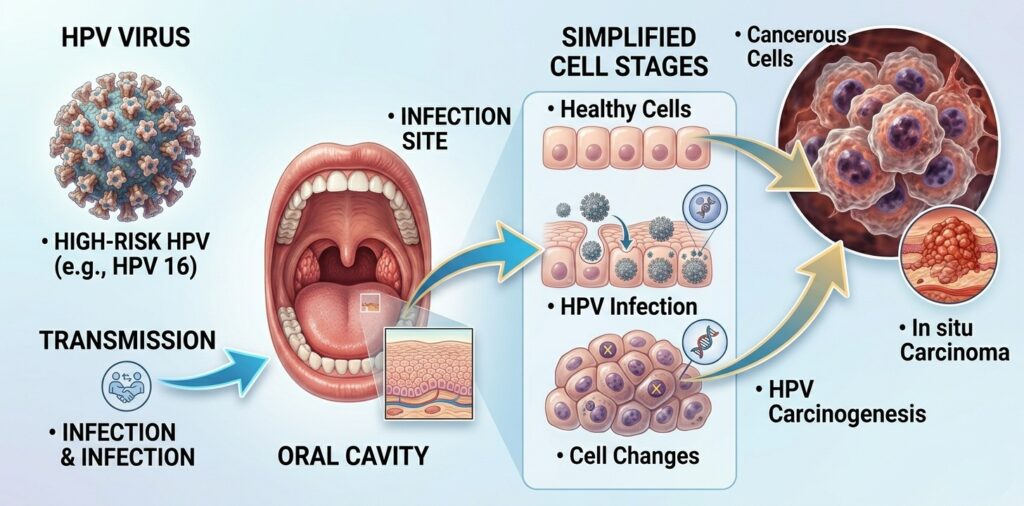
People with compromised immune systems are at a higher risk of developing persistent HPV infections, which in turn may lead to cancer development. In addition, habitual smoking or heavy drinking further exacerbates the risk, making it important to address all potential factors for prevention.
Recognizing the Symptoms of HPV-Related Oral Cancer
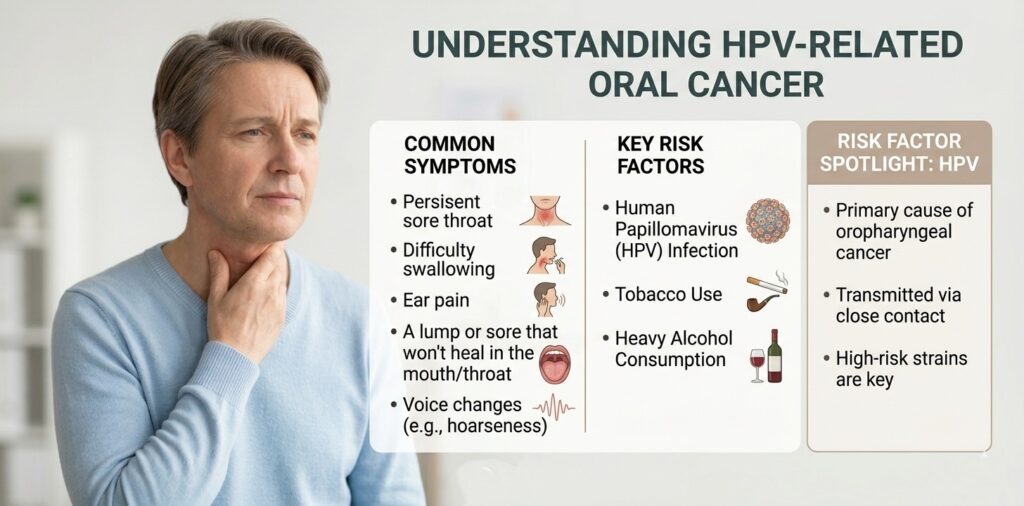
HPV-related oral cancers can be challenging to detect early because they often develop without immediate symptoms. However, there are signs to watch for that could indicate a more serious problem. Early warning symptoms include:
- Persistent sore throat that doesn’t improve
- Unexplained ear pain or soreness
- Difficulty swallowing or a feeling that something is stuck in your throat
- Mouth sores that don’t heal after a couple of weeks
- Lumps or bumps in the neck or mouth that are not going away
If you notice any of these symptoms, it’s crucial to seek professional help from your dentist or healthcare provider. Oral cancer screening in Mogadore is essential, as it can detect early changes in the mouth and throat that could lead to cancer. The sooner the condition is diagnosed, the better the chances for effective treatment and recovery.
At Dennis Dental Care, we encourage all our patients to pay attention to their oral health and schedule regular check-ups. If you notice any concerning symptoms, don’t wait. Contact us today to book an appointment for a comprehensive examination.
How to Prevent HPV-Related Oral Cancer
The good news is that there are steps you can take to significantly reduce your risk of developing HPV-related oral cancer. The most effective preventive measure is vaccination. The HPV vaccine is recommended for both boys and girls, ideally given before they become sexually active. This vaccine has been shown to prevent infection from the most common and cancer-causing strains of HPV, including HPV-16.
In addition to vaccination, adopting safe sexual practices can also reduce the risk of oral HPV infection. Limiting the number of sexual partners and using barriers like condoms during oral sex can help lower the likelihood of exposure to HPV.
Maintaining excellent oral hygiene by brushing and flossing regularly is another important factor. Regular visits to the dentist for professional cleanings and oral cancer screenings help ensure that any potential issues are identified early.
At Dennis Dental Care, we recommend that patients schedule a routine dental exam every six months to maintain optimal oral health and reduce the risk of oral cancer.
The Role of Dentists in Detecting HPV-Related Oral Cancer
Routine Screenings
Dentists play a vital role in the early detection of HPV-related oral cancer, often identifying issues that patients might not even notice. Routine dental exams allow dentists to assess your overall oral health and look for potential signs of oral cancer.
Since oral cancer can develop in areas that are hard to self-check, such as the back of the throat or the base of the tongue, regular screenings are essential for spotting abnormalities before they become serious. By scheduling biannual checkups, you are giving yourself the best chance at early detection.
Examinations
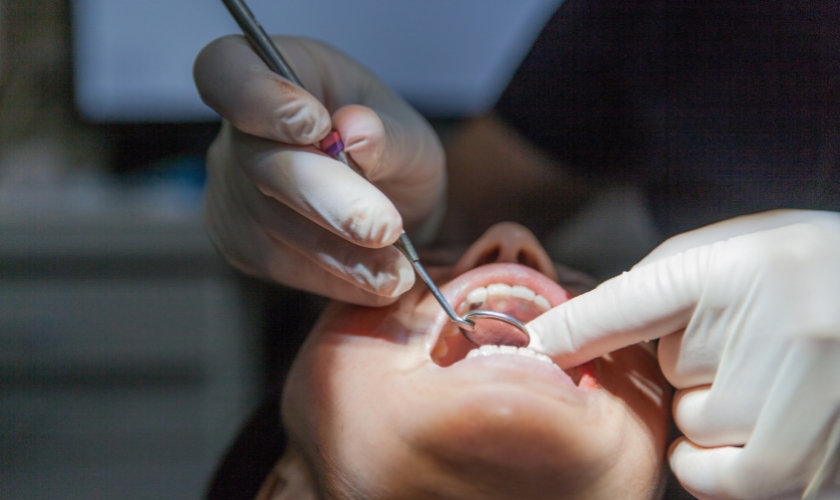
During a dental exam for oral cancer screening, your dentist will typically begin with a thorough visual inspection of your mouth, throat, and neck. They will look for any unusual sores, lumps, or discolorations that could be indicative of oral cancer.
The dentist will also feel around the lymph nodes in your neck and jaw to check for any swelling or tenderness, which can be signs of cancer spread. They may also use special tools like a light or oral rinse to detect abnormal tissue changes, making the exam even more effective in detecting early stages of cancer.
What Dentists Look For
Dentists specifically check for several signs during an oral cancer screening in Mogadore, especially in patients who may be at risk of HPV-related cancers. Common symptoms that dentists look for include:
- Lumps or bumps in the mouth, neck, or jaw
- White or red patches in the oral cavity
- Non-healing sores or ulcers that persist for more than two weeks
- Unexplained bleeding or pain in the mouth
- Difficulty swallowing or pain while chewing
These early warning signs are crucial, as they can point to potential oral cancer. By identifying these symptoms early, dentists can refer patients for further testing and start treatment as soon as possible.
At Dennis Dental Care, we emphasize the importance of regular screenings and encourage patients to stay proactive with their oral health to reduce the risks of HPV-related oral cancer.
Treatment Options for HPV-Related Oral Cancer
If you are diagnosed with HPV-related oral cancer, treatment options will vary depending on the stage and location of the cancer. The first step typically involves confirming the diagnosis through imaging tests and a biopsy, which allows doctors to examine the tissue and determine the extent of the cancer.
Treatment options may include:
- Surgery: Removal of tumors or affected tissues.
- Radiation therapy: Targeted radiation to kill cancer cells.
- Chemotherapy: Drugs that destroy cancer cells throughout the body.
- Targeted therapy: A newer treatment method that targets specific molecules involved in cancer cell growth.
The prognosis for HPV-related oral cancer has improved over the years, with earlier detection leading to better outcomes. At Dennis Dental Care, we stress the importance of early screening and treatment, as they are essential to improving survival rates.
Understanding the connection between HPV and oral cancer is crucial for your oral health. Prevention through vaccination, safe practices, and regular oral cancer screenings can significantly reduce your risk.
If you’re concerned about your risk or have noticed any of the symptoms of oral cancer, schedule a consultation with us at Dennis Dental Care today. Our team is here to help you maintain a healthy mouth and throat, with screenings and preventive care tailored to your needs. Stay informed and proactive about your health because early detection saves lives.
What People Ask
Can HPV cause oral cancer in people who don’t smoke or drink?
Yes, while smoking and alcohol consumption increase the risk, HPV-related oral cancers can occur even in individuals with no history of these behaviors.
What are the early signs of HPV-related oral cancer?
Symptoms may include a persistent sore throat, unexplained ear pain, mouth sores that don’t heal, difficulty swallowing, and lumps or bumps in the neck.
How often should I get an oral cancer screening?
It is recommended to get an oral cancer screening every six months as part of your routine dental check-up, especially if you’re at risk.
Do HPV-related oral cancers only affect older adults?
No, while older adults are more commonly diagnosed, HPV-related oral cancer can affect individuals of any age, particularly those with persistent HPV infections.
How long does it take for HPV to cause oral cancer?
It can take years for an HPV infection to progress to cancer. Many people may have HPV in their system for years before symptoms appear.